Protein pretzels: how they are made and which ones have real protein
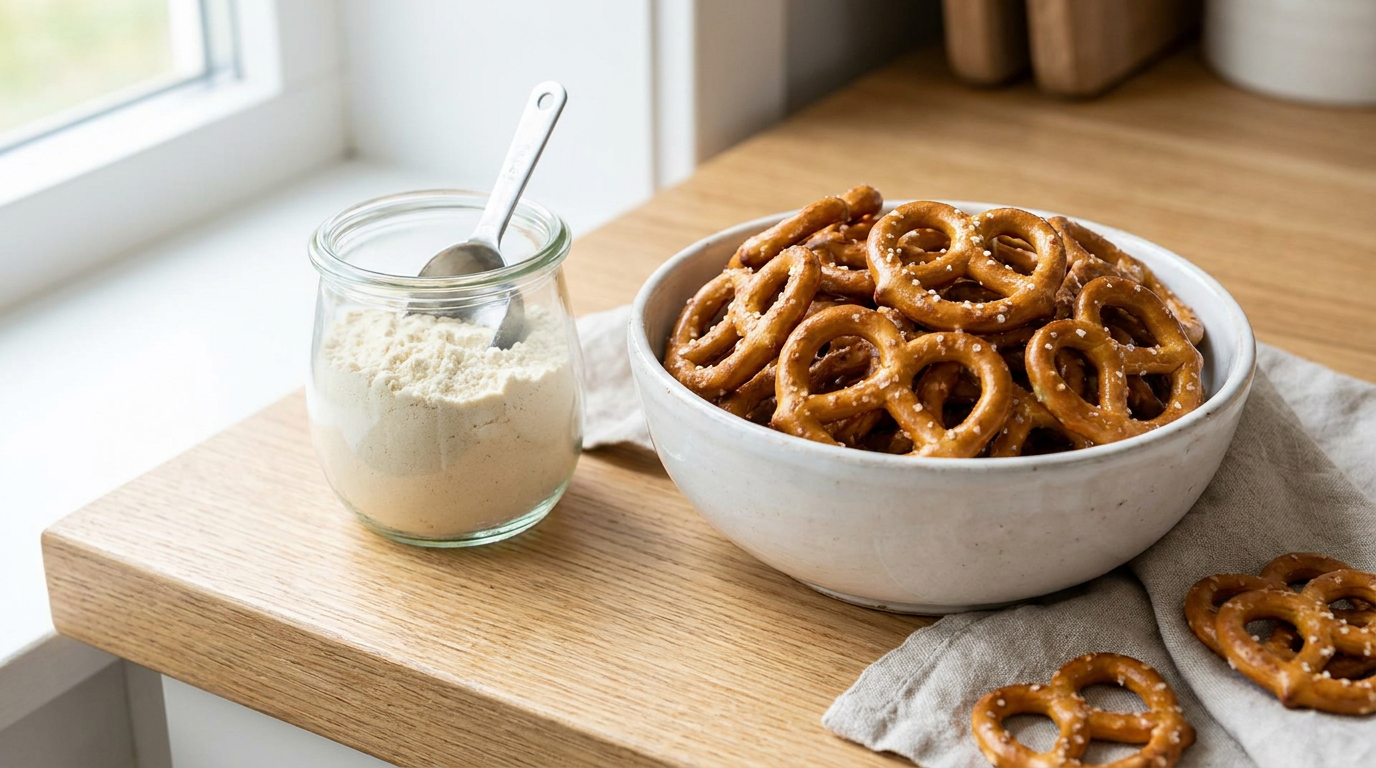
Protein pretzels vs regular pretzels: label and USDA protein per serving, where the protein comes from, and the %DV check that shows how much of it counts.

Protein pretzels vs regular pretzels: label and USDA protein per serving, where the protein comes from, and the %DV check that shows how much of it counts.
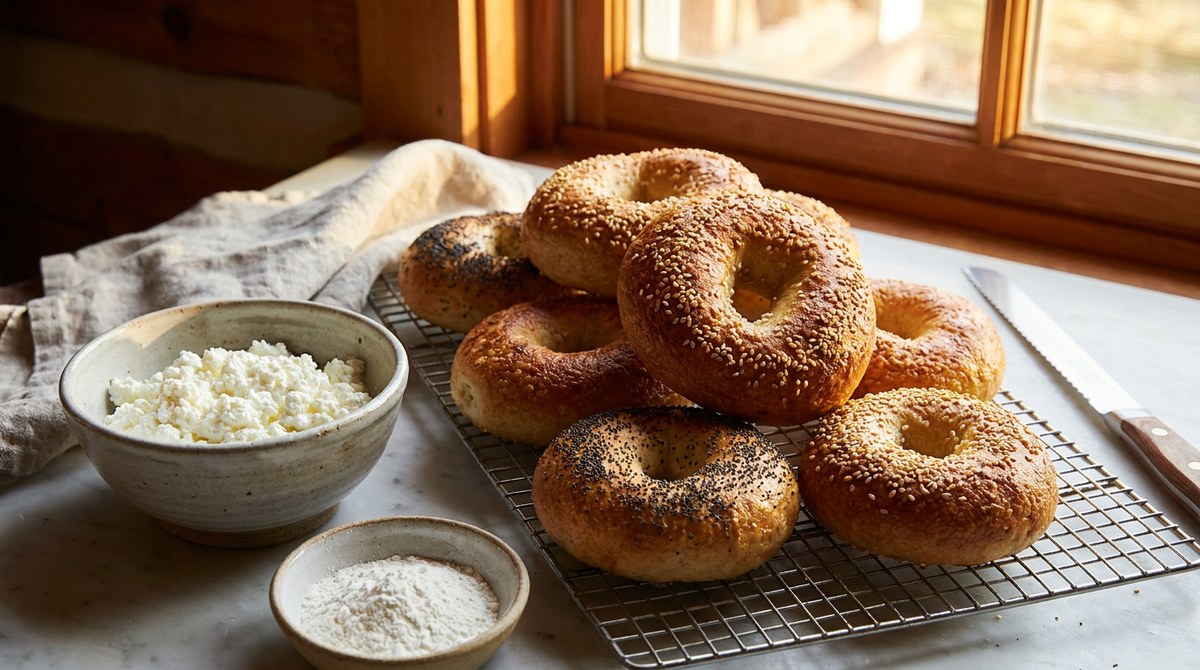
Cottage cheese bagels from a 2-ingredient dough: the method, and USDA math on protein, calories and carbs per bagel compared with a plain bakery bagel.
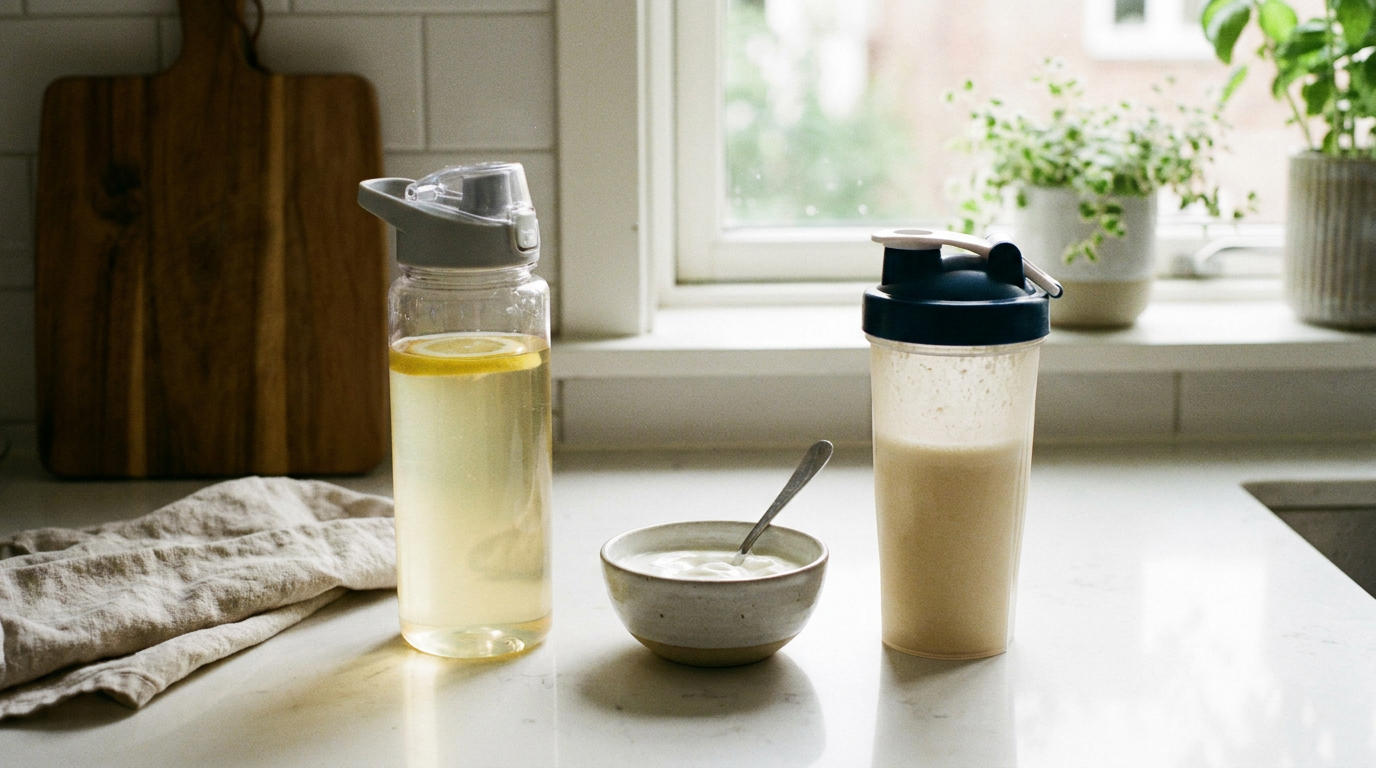
Protein water explained with USDA label data: whey vs collagen, 10 to 15 g of protein per bottle, and how it stacks up against a shake and Greek yogurt.
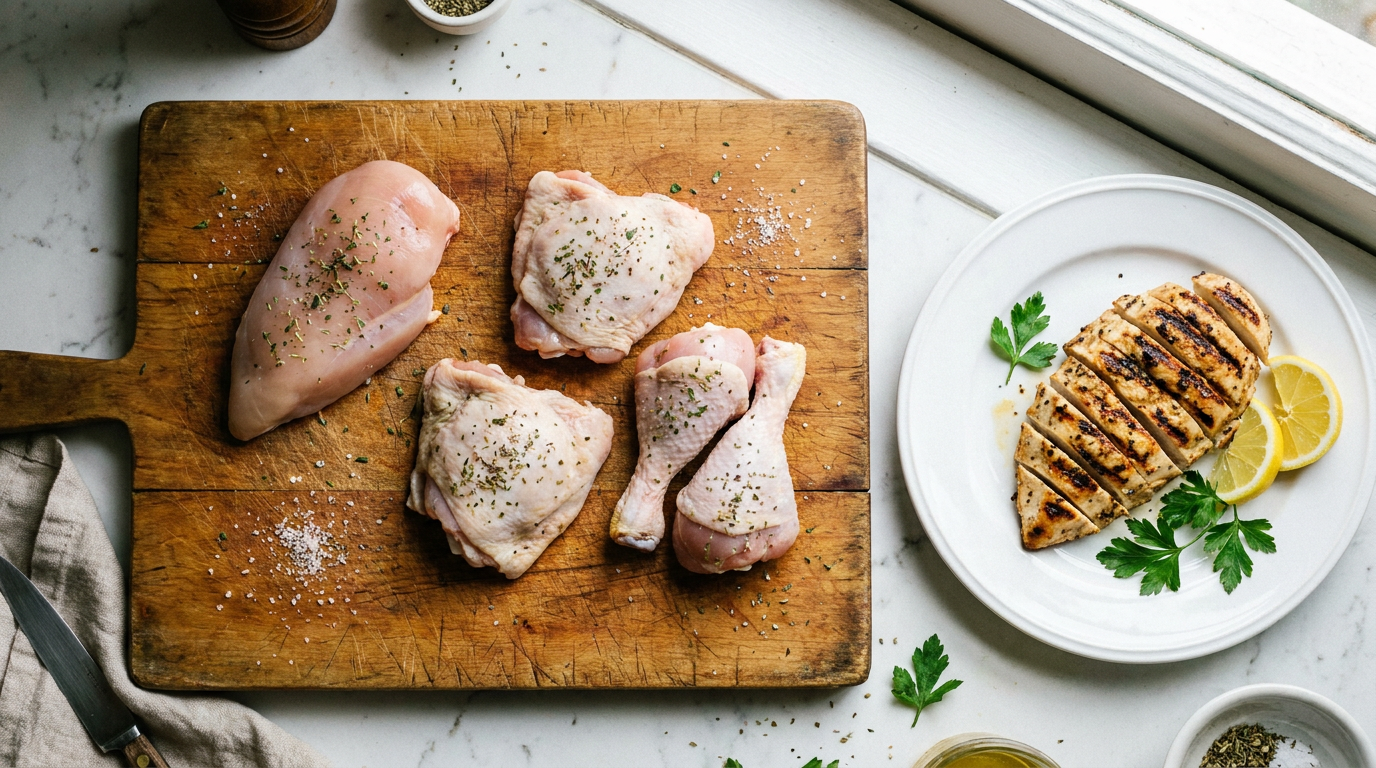
How much protein in chicken? USDA data for breast, thigh and drumstick, raw versus cooked, plus how to log cooked weight so your protein count stays right.

Is 5 hours of sleep enough? See the adult sleep floor from the AASM, NSF and CDC, what 14 nights of short sleep did in the lab, and who the rare exception is.
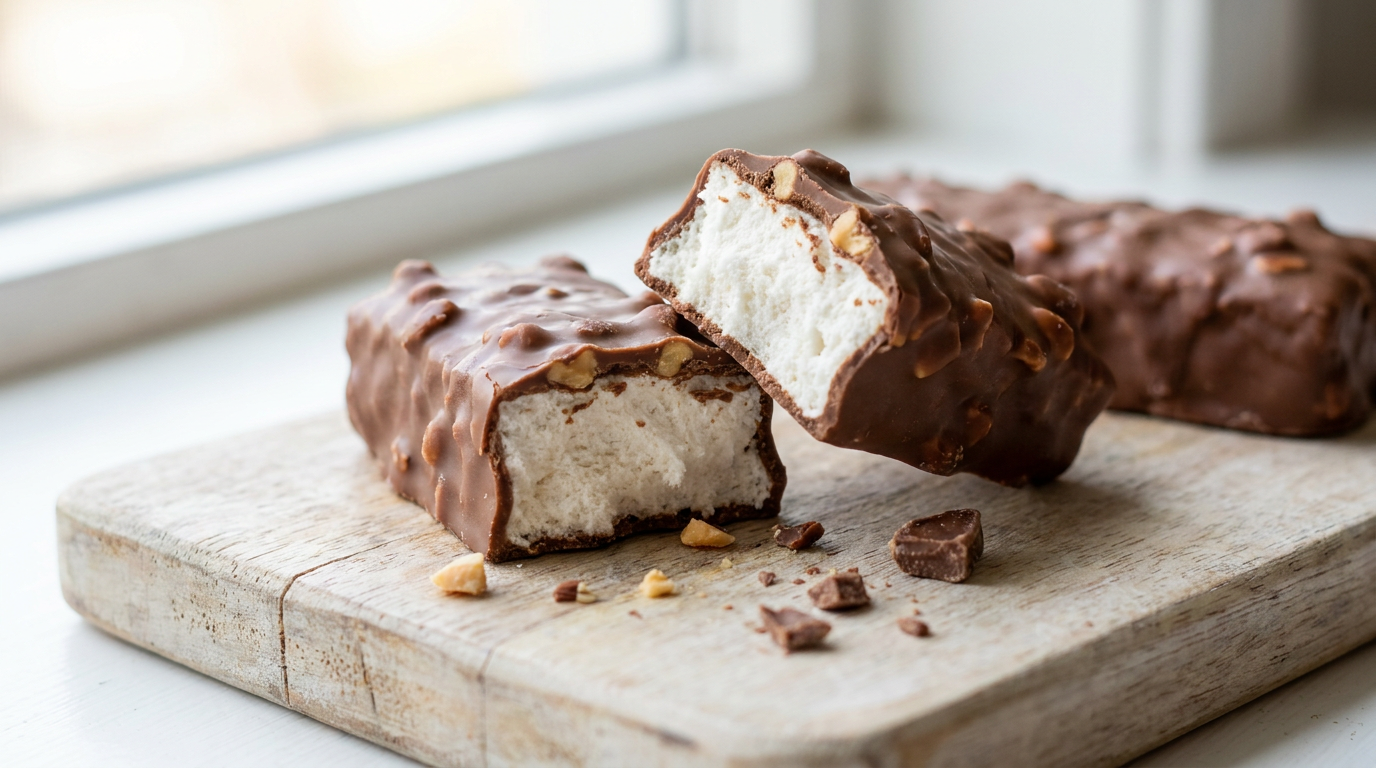
Puff protein bars on the label: whey isolate plus collagen, real sugar, gelatin and palm oil. See grams, price per bar and how they compare to Quest and RXBAR.
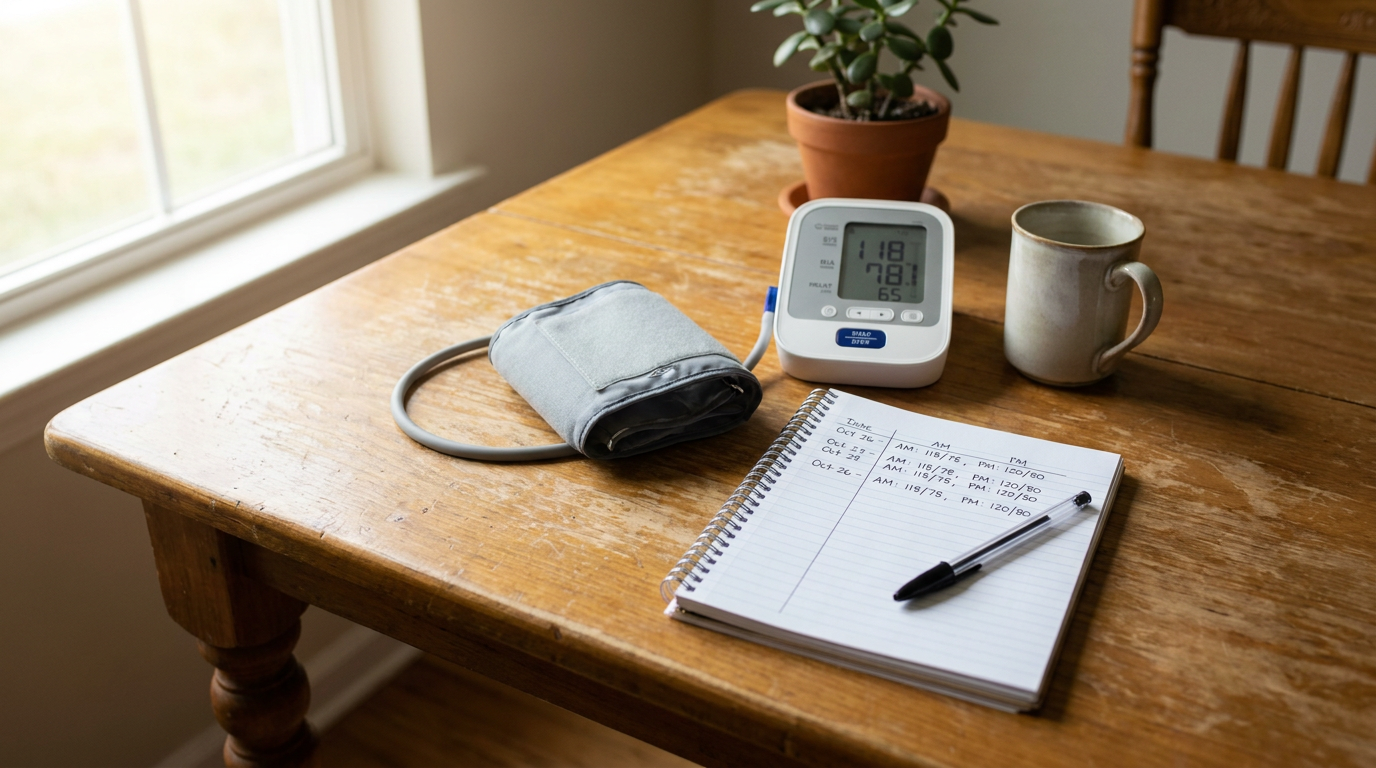
Keep a blood pressure log your doctor can trust: the AHA cuff position, rest time and two-reading routine, plus the exact columns to record at every sitting.

Compare ashwagandha tea with the capsule extracts used in trials: real doses, withanolide content, sleep and cortisol findings, and who should skip it.

Check what green noise sleep claims rest on: zero studies, how it stacks up against white and pink noise research, and how to test it at home honestly.
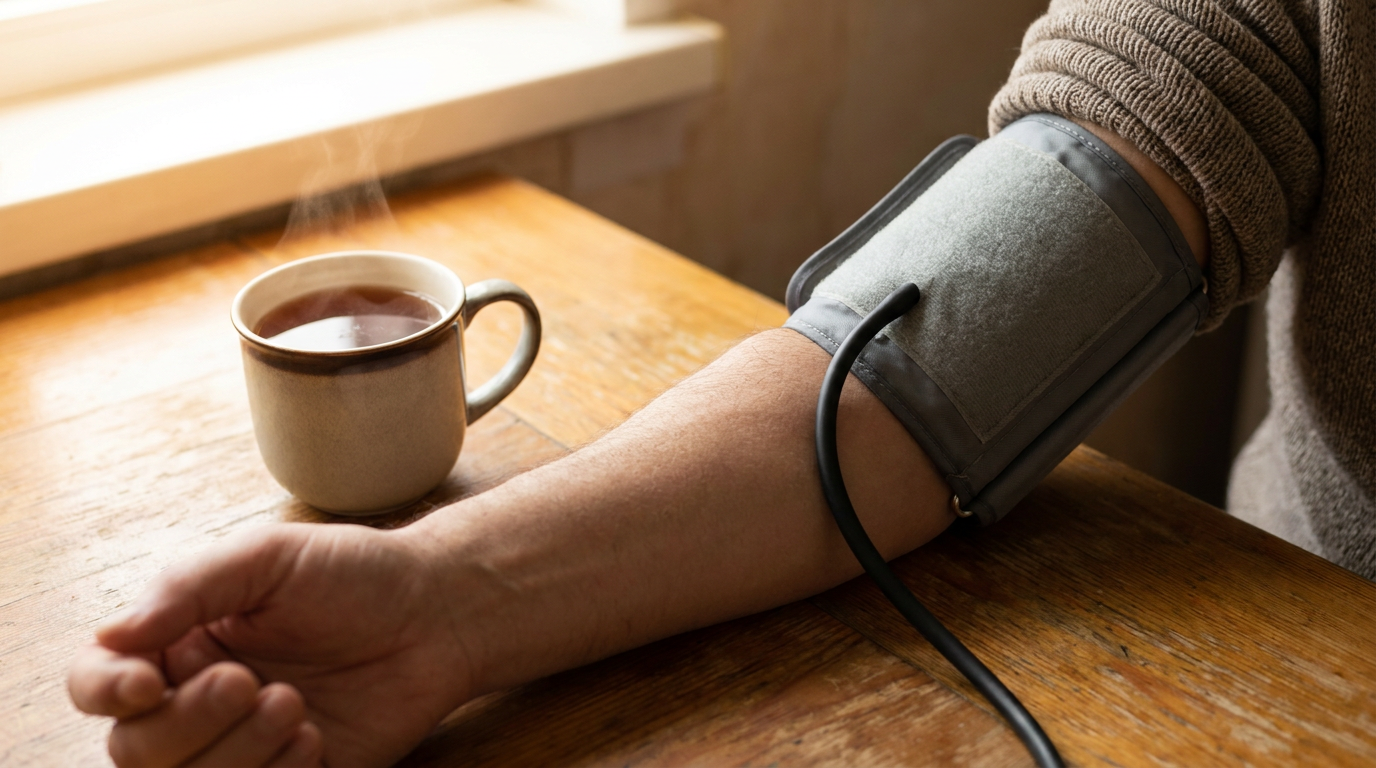
Use this age blood pressure chart built from AHA categories to see why adults share one normal range, where teens switch, and when a reading needs a doctor.
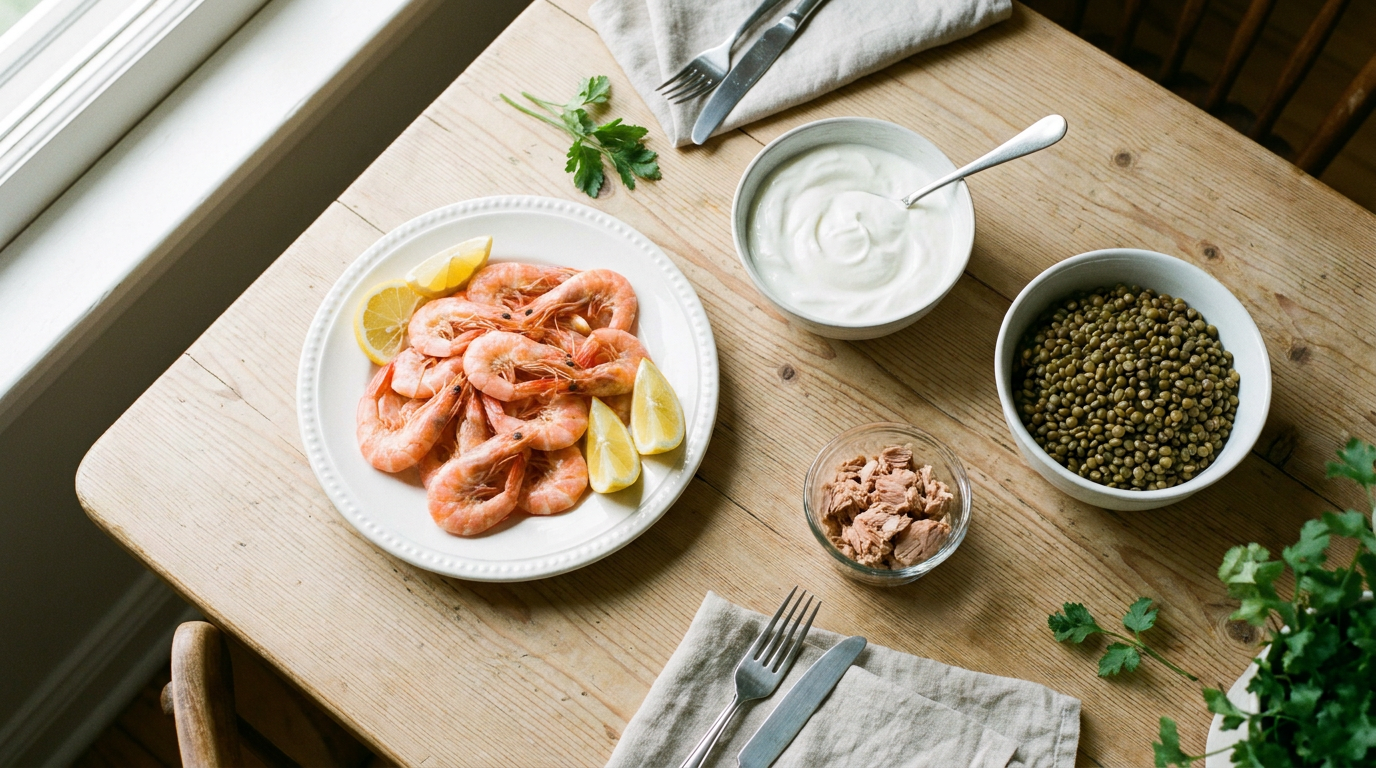
Low calorie high protein foods ranked by protein per 100 calories, from shrimp and tuna to lentils, with every figure calculated from USDA FoodData Central.
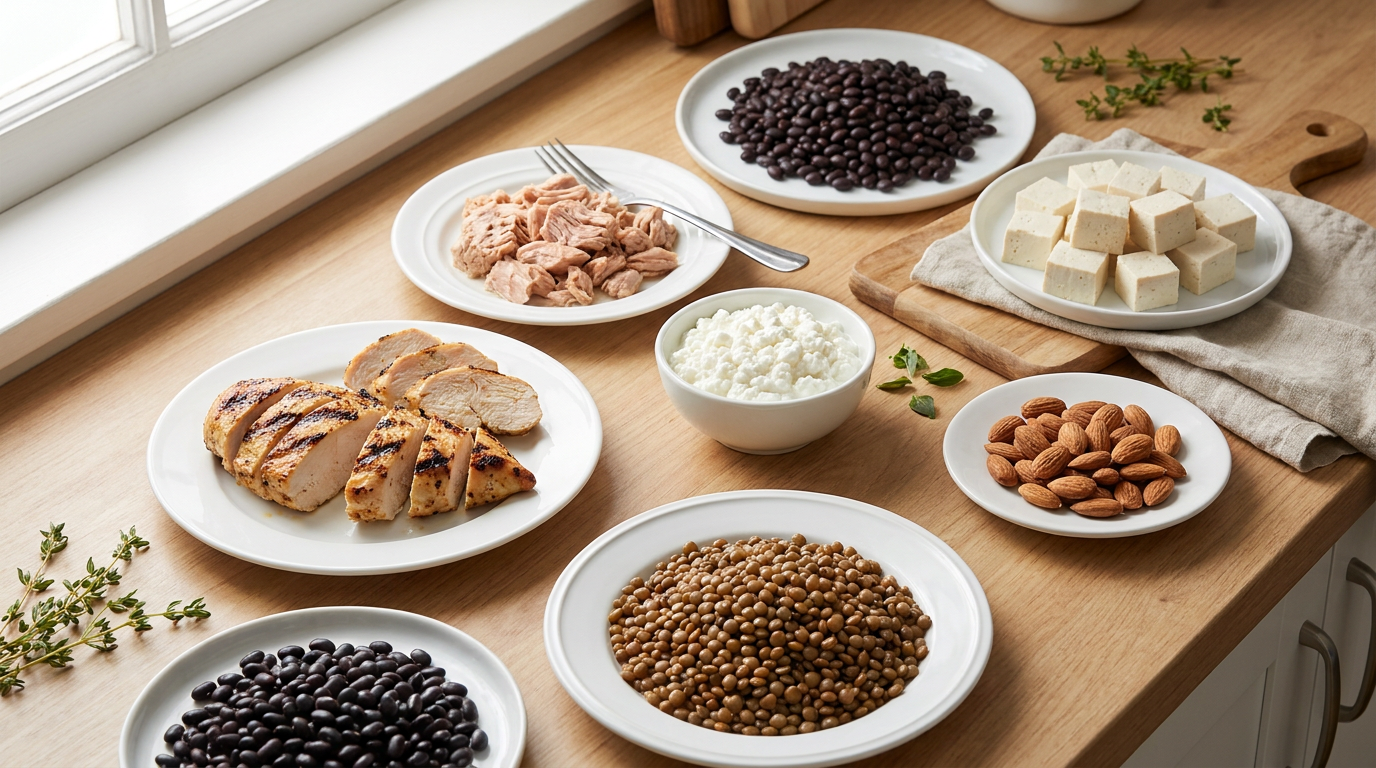
The top 10 protein foods ranked two ways, by grams per 100 g and by grams per typical serving, with every single number pulled from USDA FoodData Central.
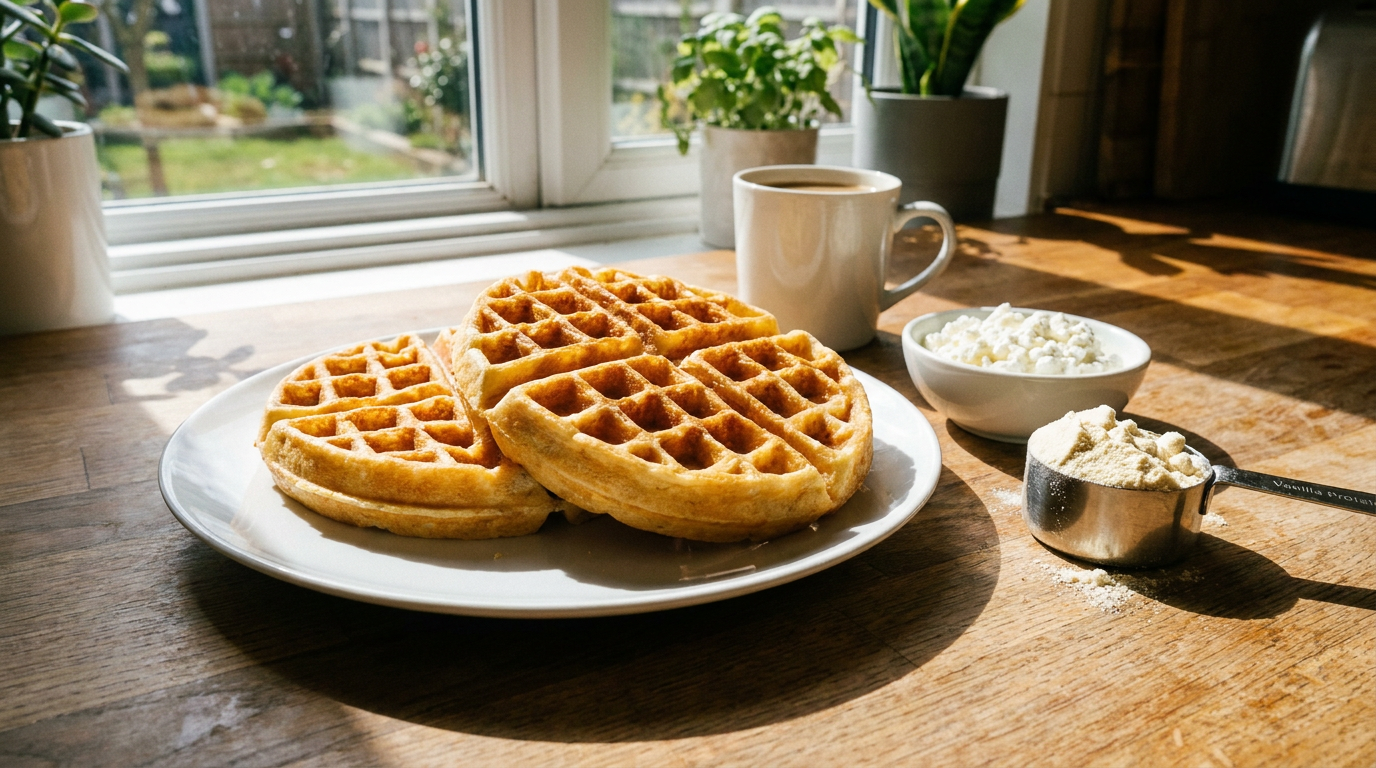
Protein waffles deliver close to 12 grams each. Compare a whey batter with a cottage cheese batter, with protein, calories and cook time stated per waffle.

Kelly Osbourne weight loss claims explained with dates and sources: the 2020 surgery reveal, the 2024 Ozempic comments, and the 2026 grief-driven loss.
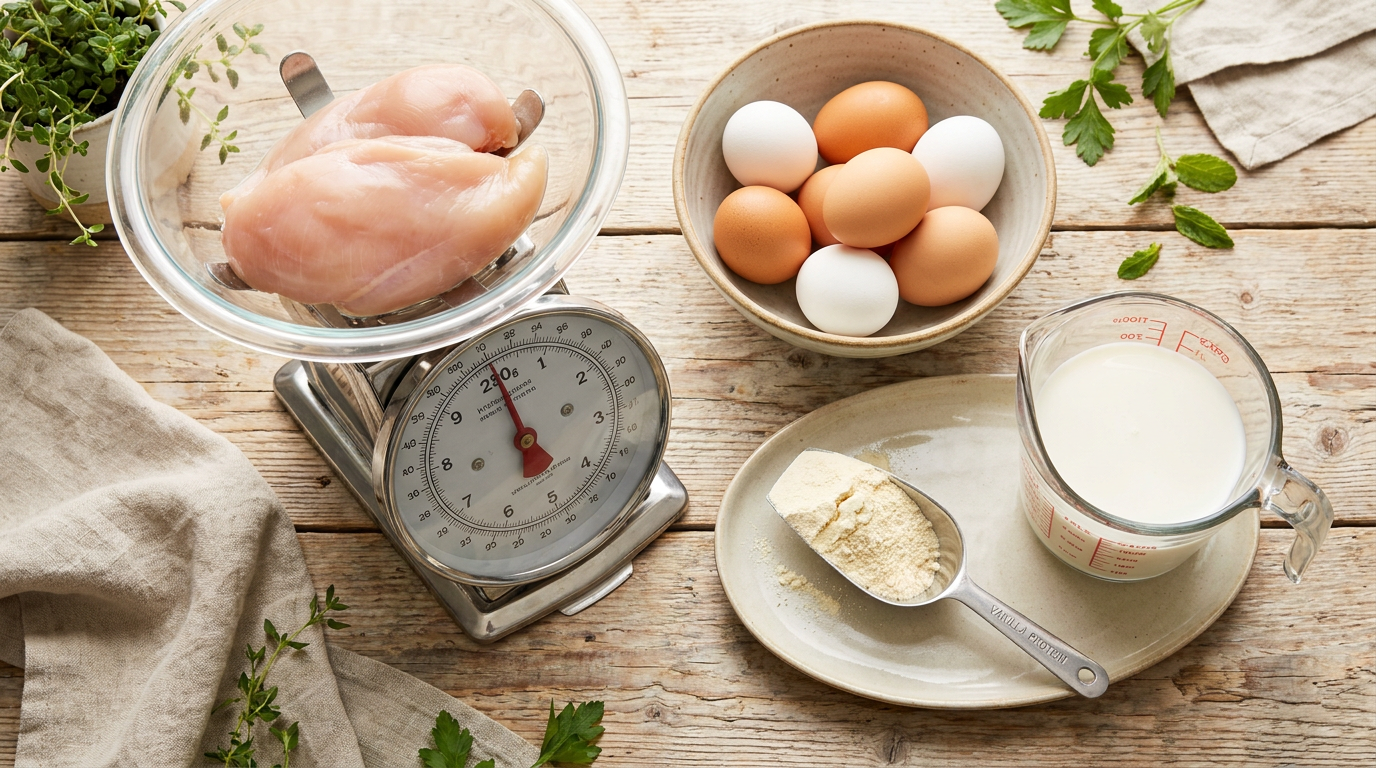
See how many grams of protein per day you need, from the 0.8g RDA baseline to the higher range research cites for active adults, by bodyweight in one table.

See how many grams of protein in an egg by size, small to jumbo, plus white versus yolk and raw versus cooked, straight from USDA FoodData Central figures.
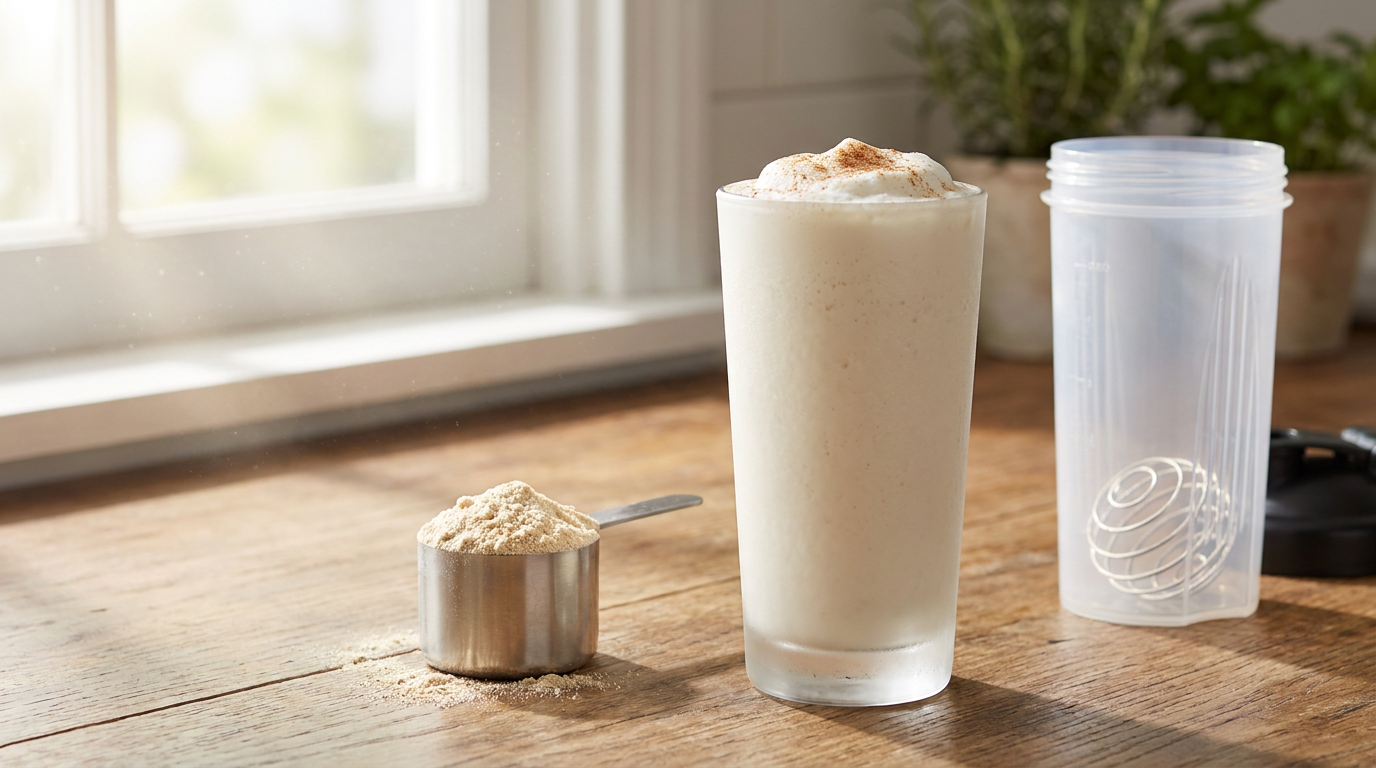
Protein shakes explained: what happens after you drink one, how fast whey, casein and plant protein digest, the 20 g synthesis ceiling, and shake vs food.

Amy Schumer weight loss before and after photos raise questions. See the realistic diet, activity, sleep and health factors behind the visible change.

Ryan Seacrest’s weight loss has fans asking what changed. See the diet, movement, sleep and supplement habits behind sustainable routine shifts like his.

The safe sleep 7 checklist comes from La Leche League, not the AAP. See its seven rules, the safe surface details, and exactly which families it leaves out.